
 BlogRare genetic diseases and the invisible geography of India
Rare genetic diseases and the invisible geography of India
5/23/2026
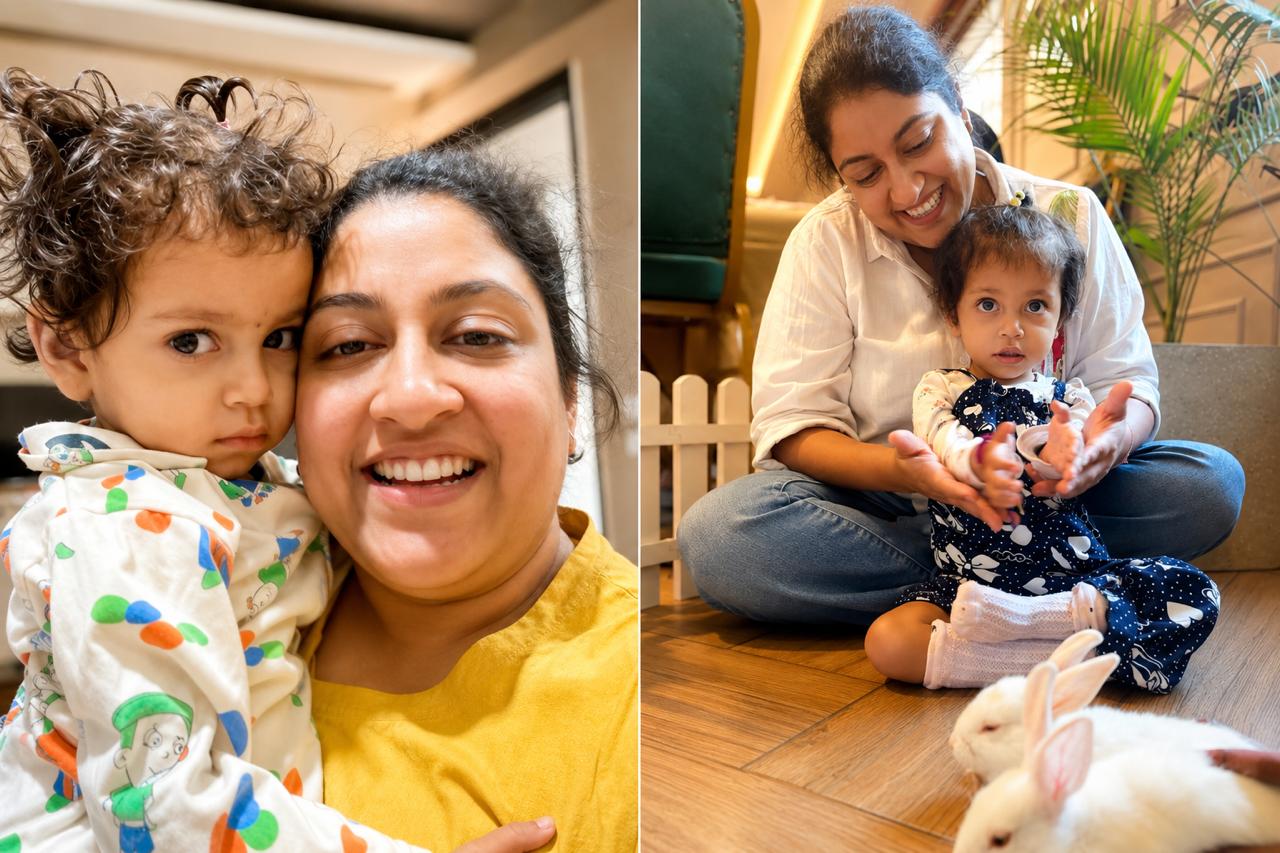
Every morning, millions of people wake up, hopeful for the day ahead, with a plan in mind and a reasonable amount of perseverance. But their day also begins with some struggles - endless traffic, a delayed train, your favorite shirt going ‘out of stock,’ an anxious employee waiting for leave approval, a parent worrying about school fees, etc…
Now imagine the same life, but with uncertainty stitched in every decision. Imagine not knowing when your child will learn to sit, speak, swallow, grow, and simply breathe. Imagine carrying bagfuls of medical files and reports, planning your life around doctor reviews and hospital corridors, and the financial burden of taking a journey to access healthcare. For many families with rare genetic diseases, such a morning could be daily life.
I am a genetic counselor, and among all clinical genetic experts, rare diseases are often medical conditions. You know what else they are? They are also conditions of geography, privilege, and access. In India, these factors shape how soon an individual is diagnosed, initiated on the appropriate management, meets the right specialists, or joins a support group. Families are often traversing a loop, chasing batons through the healthcare system.
According to the National Organization for Rare Disorders (NORD) and other international alliances, there could be 300 million people with rare diseases worldwide. Despite each condition being individually uncommon, together they contribute to one of the largest underserved patient populations in the world. About 70% of rare diseases begin in childhood, and many are chronic, progressive, or life-limiting. This! Needs! Attention!
An estimated 7% of Indians live with a rare disease, yet 43% of healthcare professionals have never encountered one. This figure is only an estimate because a huge percentage of people also go undiagnosed. Genetic conditions are perpetuating in such families, but now with rapid scientific advances, this cycle of inheritance (not property or gold, but genetic mutations) can be prevented. Yet specialized services remain concentrated in a handful of metropolitan centres.
Besides the endurance test of long journeys, multiple doctors, expensive tests, and rehab, navigating the uncertainty, lack of treatment, or access to it, there are some invisible barriers too. Stigma and prejudice, labeling as ‘bad luck,’ the awareness gaps among experts, isolation, ‘there is no treatment, so stop chasing,’ and many more. Families may spend years seeking before even hearing the words ‘genetic diagnosis.’
Now there-there, in the last decade, India has also witnessed something extraordinarily hopeful through all of this.
- Now we have far more genetic diagnostic companies than ever before
- Slashed costs that were initially unimaginable for the kind of technology and expertise that goes into conducting, analyzing, and interpreting a genetic test report
- Although genetic counselors and medical geneticists are as rare as the conditions they help diagnose and manage, this nurturing community has expanded massively. Several of them have clinics in the most remote parts of India and also offer teleconsultations. AWARENESS is boosting ACCESSIBILITY.
- Scientific research has propelled the characterization of genetic mutations and drug development. We are in an era witnessing the HIGHEST rate of therapies emerging for rare diseases!
- The imperative rise of Patient Advocacy Groups and parent-led organizations. Rare disease network is an alive-and-kicking ecosystem of care, dispensing tips for daily life from families who have walked similar roads.
- India now also has its own comprehensive data repository for genetic variants called INDVar (Indian Database of Genomic Variants) - how cool is that!
- And of course, the National Policy for Treatment of Rare Diseases!
Breakthroughs have happened. Progress is happening. Accessibility remains uneven, but it is surely upgrading.
Specialists are still heavily urban-centric. It is hard to live with a genetic condition; it is harder when one has to live away from the systems built to support it. Healthcare can no longer be a privilege of geography. Health equity is a conversation to be stirred. No family’s future should depend on a PIN code!
**References:**
1. Rare Diseases International. 300 million people worldwide live with a rare disease.
2. National Organization for Rare Disorders (NORD). Rare Disease Facts and Statistics.
3. National Policy for Rare Diseases (NPRD), Government of India, 2021.
4. Taneja A, Shashidhara LS, Bhattacharya A. Rare diseases in India: Time for cure-driven policy initiatives and action. Curr Sci. 2020;118(10):1500-1506.
5. Rao K. India steps forward as a global leader in rare disease management. RareDiseases.in. Accessed January 19, 2026.