Standing Frames for LAMA2-CMD | Standing Support
Standing frames provide supported upright positioning for individuals with LAMA2-CMD who may have difficulty standing independently. They can help support posture, alignment, weight-bearing activities, and participation in daily routines. The appropriate standing frame depends on individual strength, mobility, positioning needs, comfort, and professional assessment
On This Page
!
Important Medical Information
The products and information provided on this page are intended for educational purposes only and should not replace professional medical advice. Please consult your healthcare professional or rehabilitation specialist before choosing or using a standing frame. Proper assessment, fitting, positioning, and supervision are important to support safety, comfort, and suitability for individual needs.
Why Standing Frames Matter in LAMA2-CMD
Supported Upright Positioning
Posture and Body Alignment
Weight-Bearing Activities
Daily Participation
Comfort and Stability
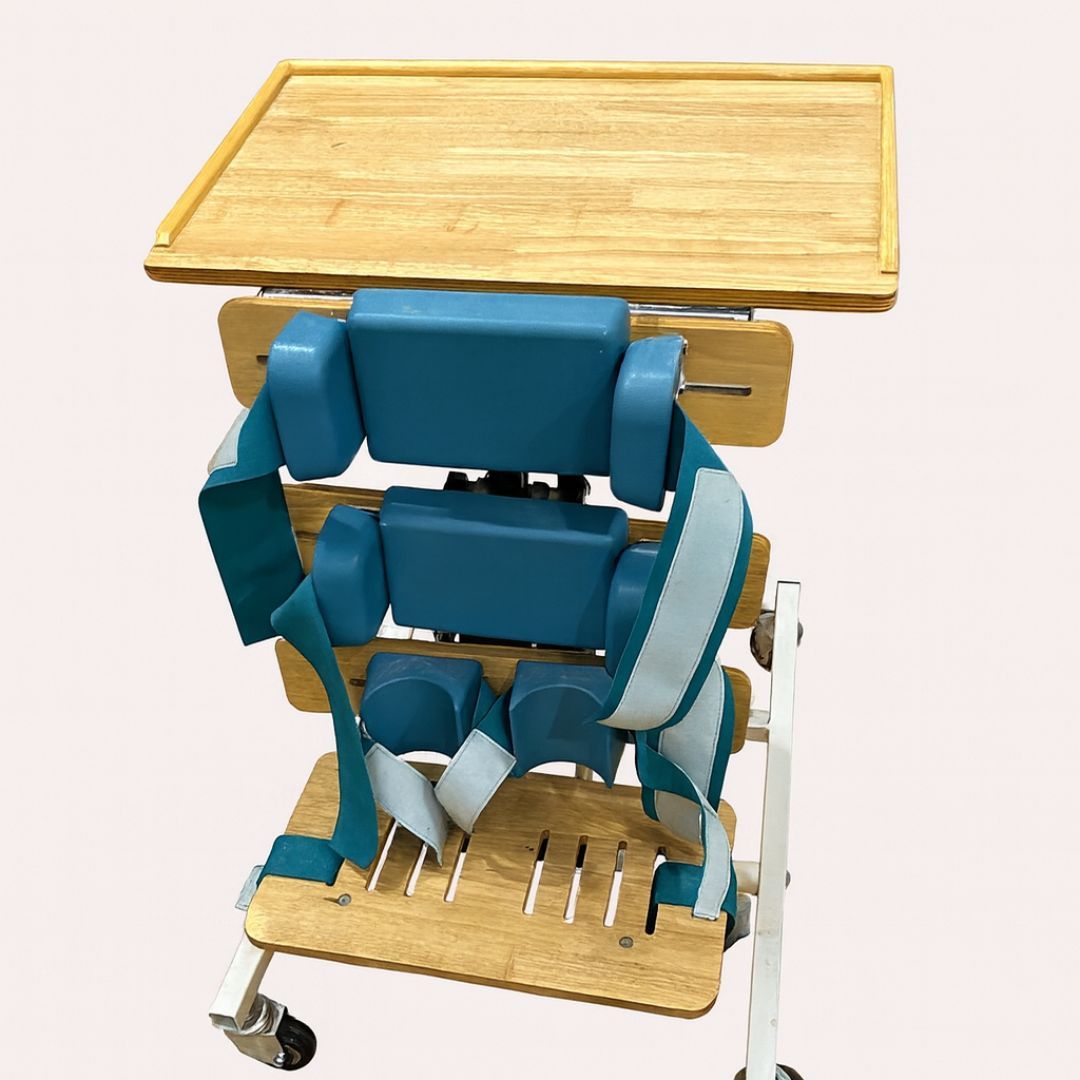
Standing Frame
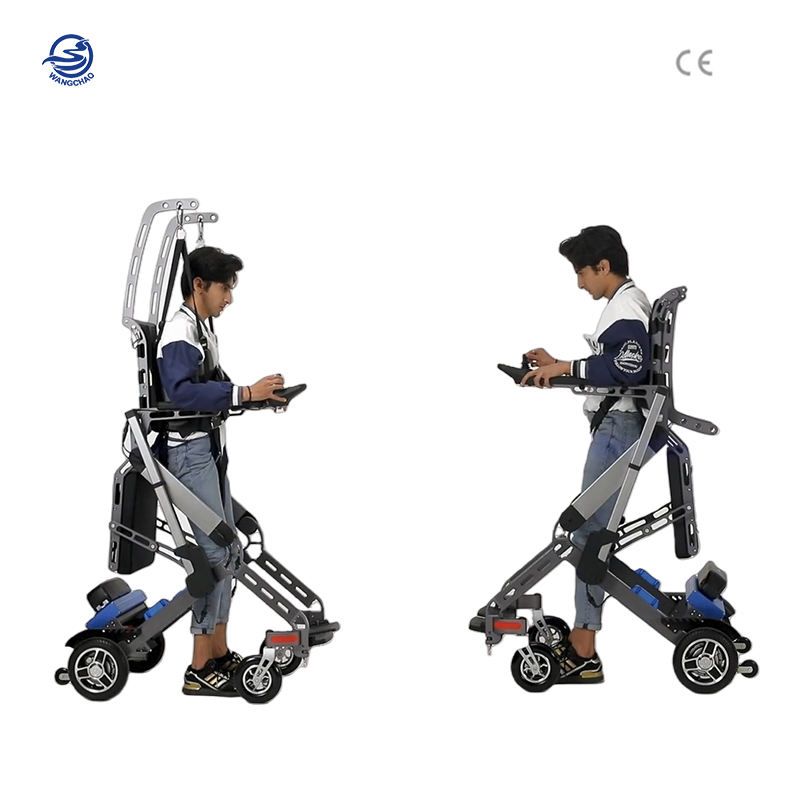
Standing Frame
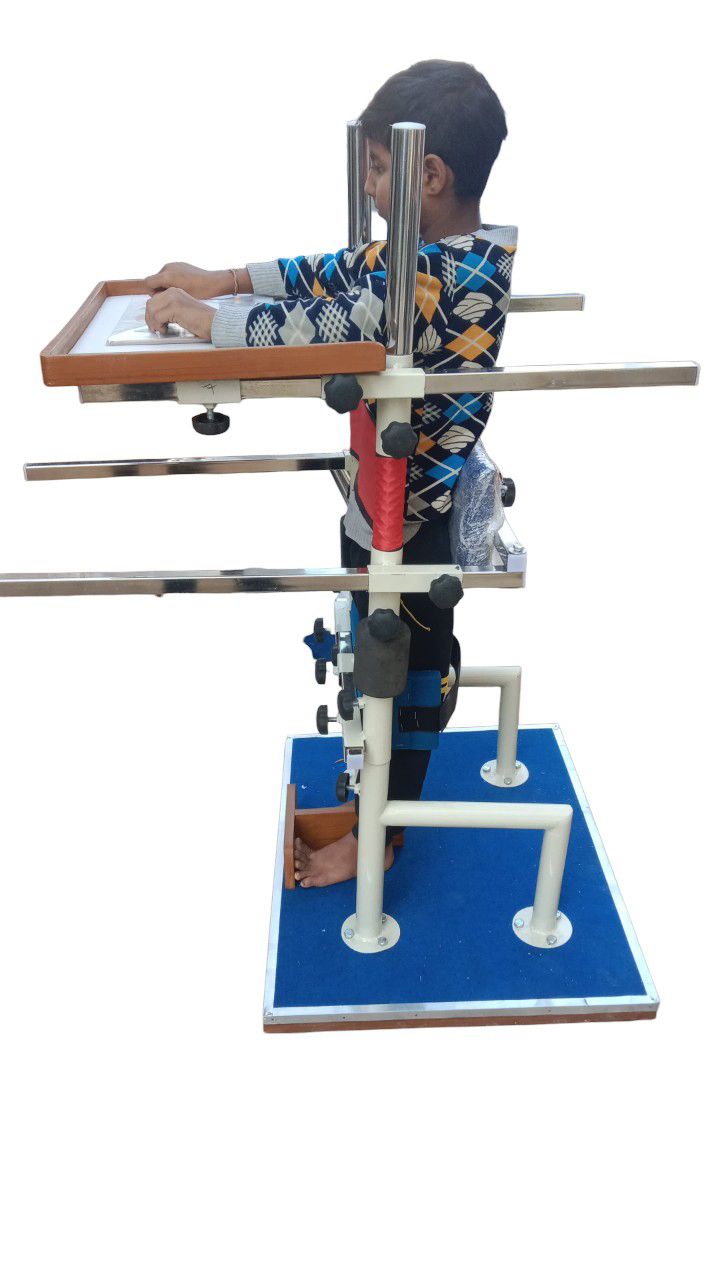
Standing Frame
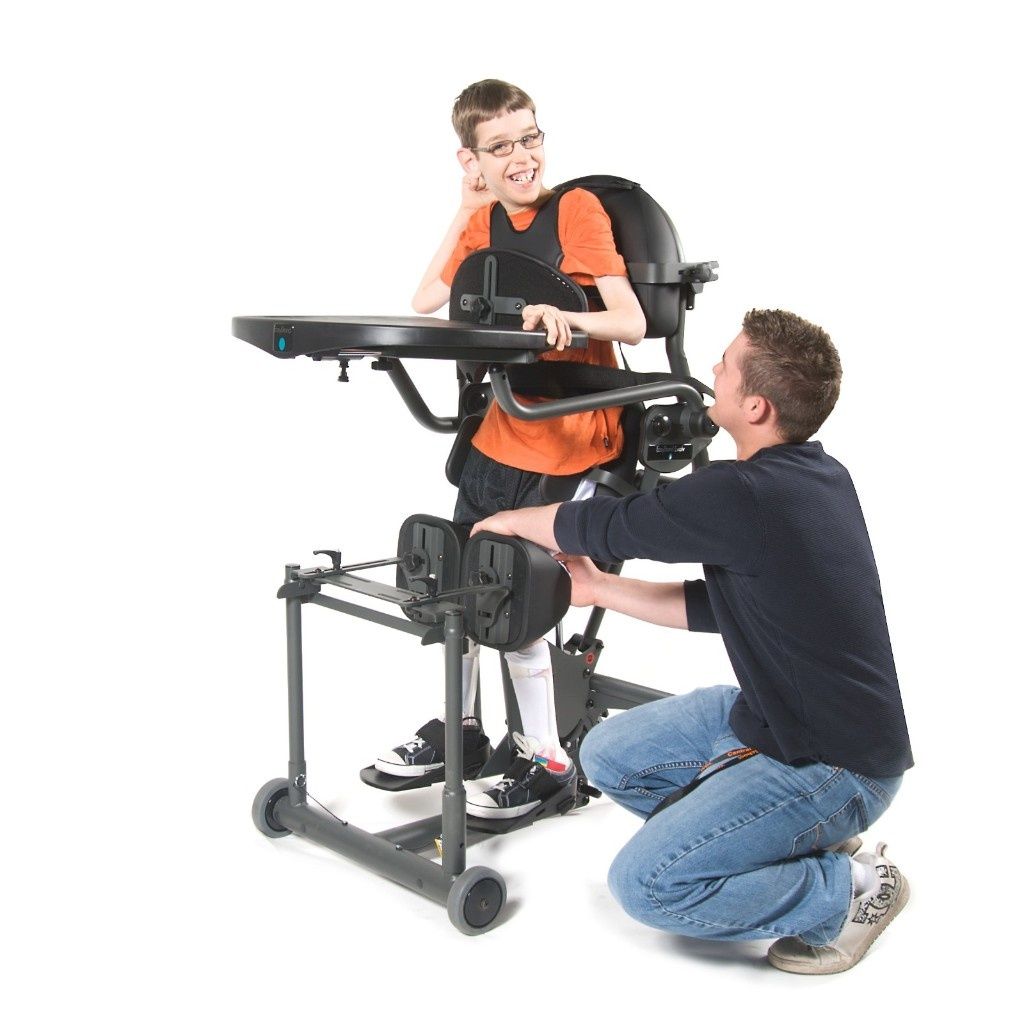
Things to Consider for a Standing Frame
User age, height, and weight
Muscle strength and mobility level
Posture and body alignment requirements
Head, trunk, hip, and knee support
Adjustability for growth
Comfort and pressure management
Ease of transfer and positioning
Indoor space and maneuverability
Caregiver assistance and handling
Cleaning, maintenance, and durability
Frequently Asked Questions
A standing frame is a supportive device that helps individuals maintain an upright position when they cannot stand independently. For individuals with LAMA2-CMD, it may support positioning, prescribed weight-bearing activities, and participation in daily routines, depending on individual abilities and clinical assessment.
The appropriate standing frame depends on the individual's age, height, weight, muscle strength, posture, joint mobility, and support requirements. A healthcare professional or rehabilitation specialist can assess these factors and recommend a suitable option.
Yes. Standing frames may include adjustable supports for the head, trunk, pelvis, knees, and feet. The configuration should be selected according to individual positioning requirements and assessed by a qualified healthcare professional.
Common types include prone, supine, and upright standing frames. Prone frames support the body from the front, supine frames support the body from behind, and upright frames maintain a more vertical position. The suitable design depends on individual needs and clinical recommendations.
Standing duration and frequency should be determined by the individual's healthcare or rehabilitation team. The plan should account for comfort, joint range, skin condition, tolerance, and medical considerations. Stop the activity and seek professional advice if pain, dizziness, breathing difficulty, or unusual discomfort occurs.
Standing frames should be reviewed regularly, especially for growing children or when posture, joint mobility, comfort, or physical abilities change. A rehabilitation professional can assess whether adjustments or a different device are required.