Wheel Chairs
Wheelchairs for LAMA2-CMD
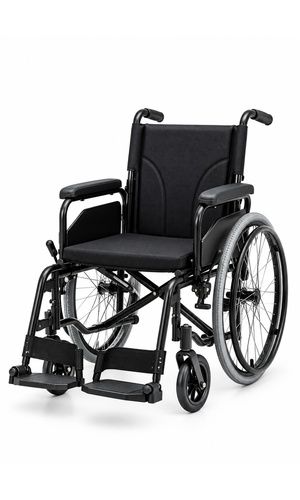
Wheelchairs help children and adults with LAMA2-related muscular dystrophy maintain mobility, comfort, and participation in daily activities. Different types of wheelchairs provide varying levels of support depending on age, strength, posture, and mobility needs.
Wheelchairs provide mobility, comfort, posture support, and independence for individuals living with LAMA2-CMD.
Wheelchairs provide mobility, comfort, posture support, and independence for individuals living with LAMA2-CMD.
!
Importatnt
The products and information provided on this page are intended for educational purposes only and should not replace professional medical advice. Please consult your healthcare professional before making supportive care decisions.
Why Wheelchairs Matter in LAMA2-CMD
Support mobility and independence
Reduce fatigue during daily activities
Improve positioning and comfort
Facilitate school, social, and family participation
Provide postural support
Wheelchair Options
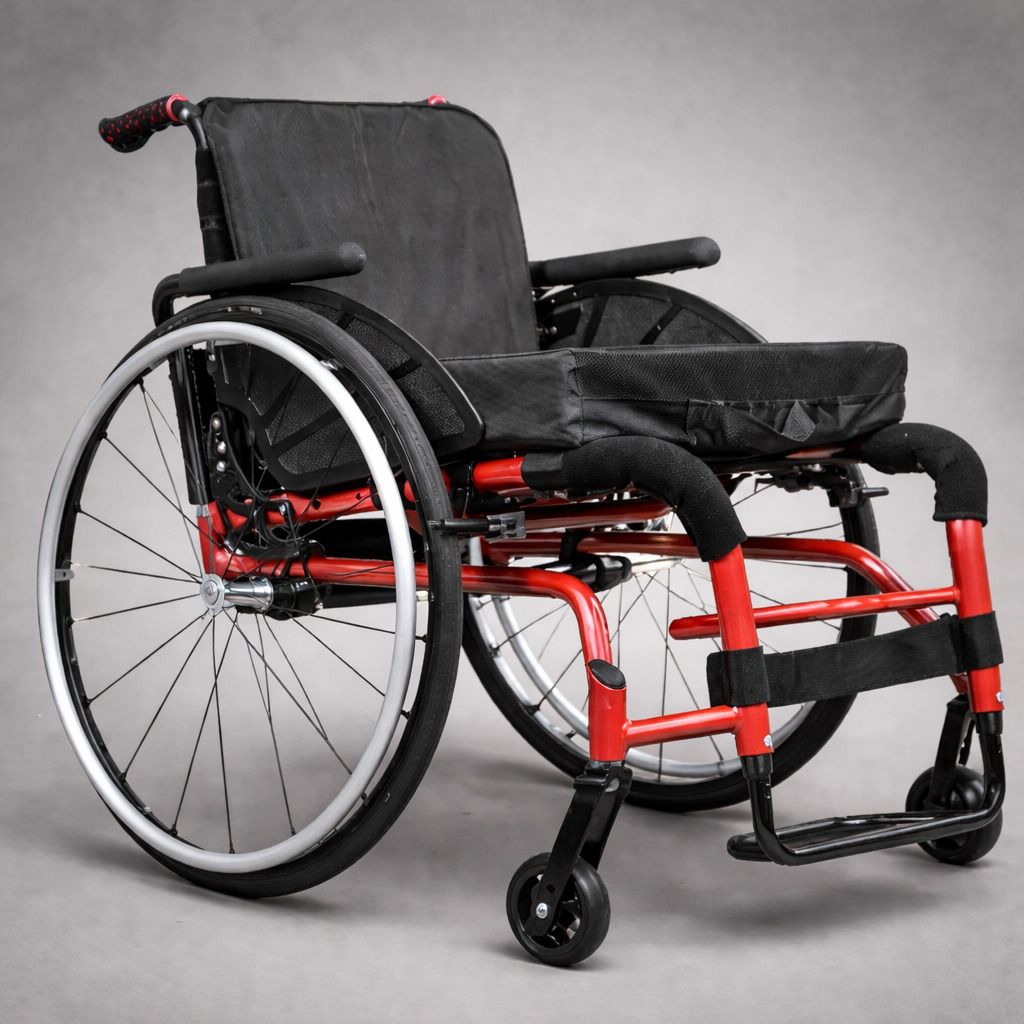
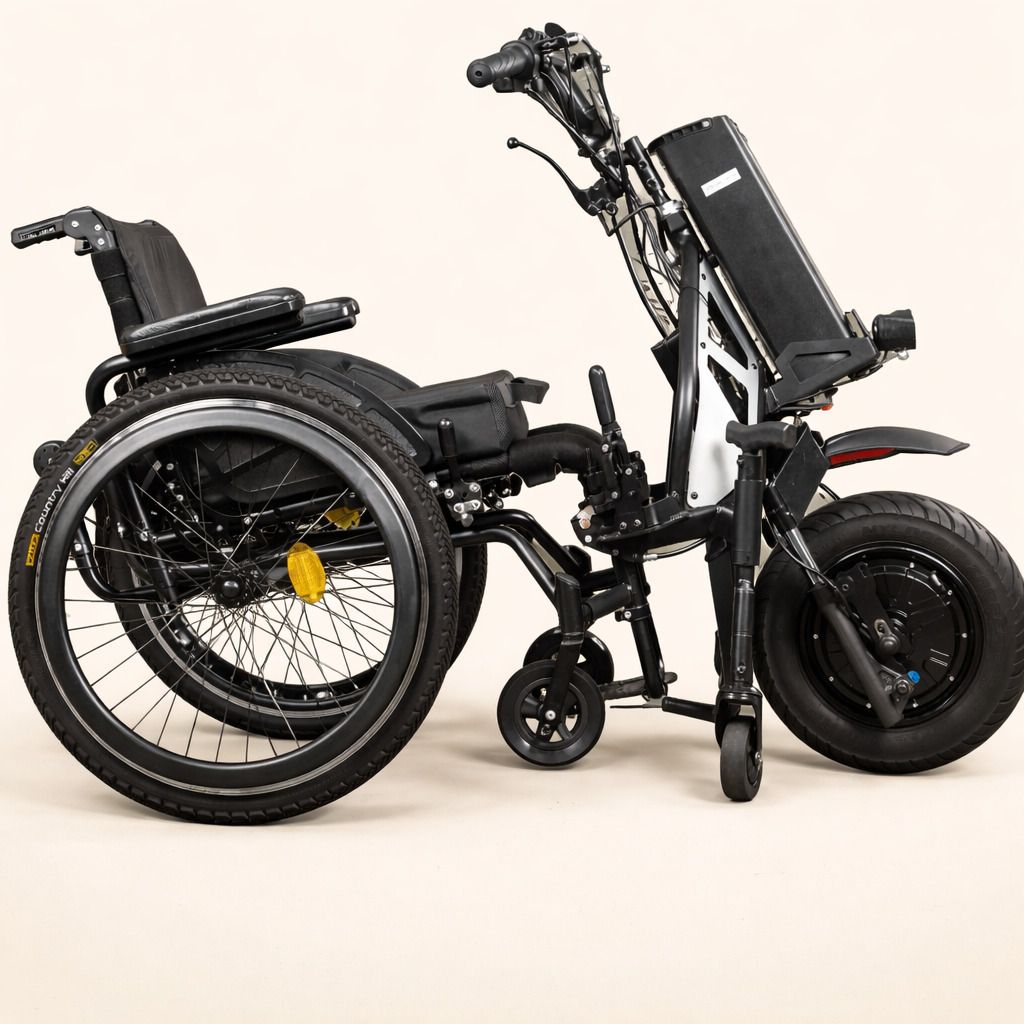
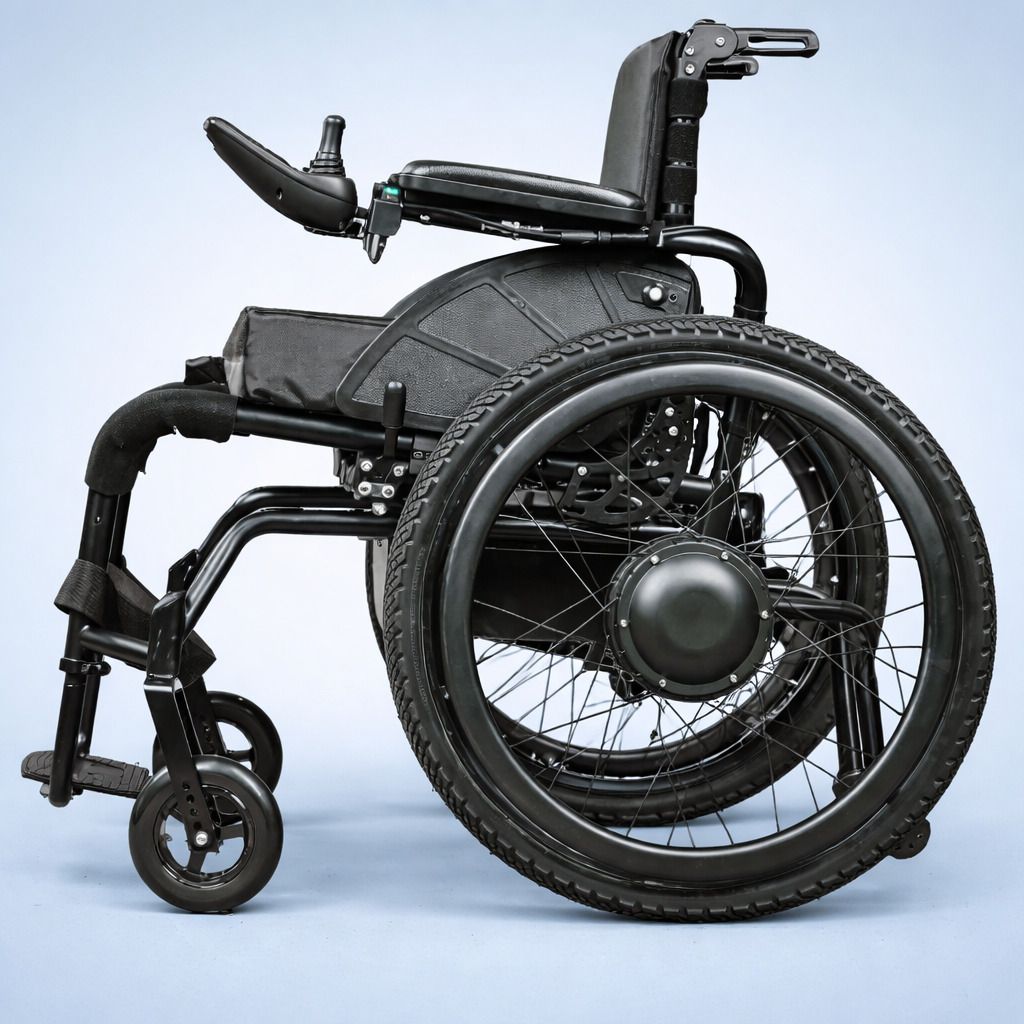
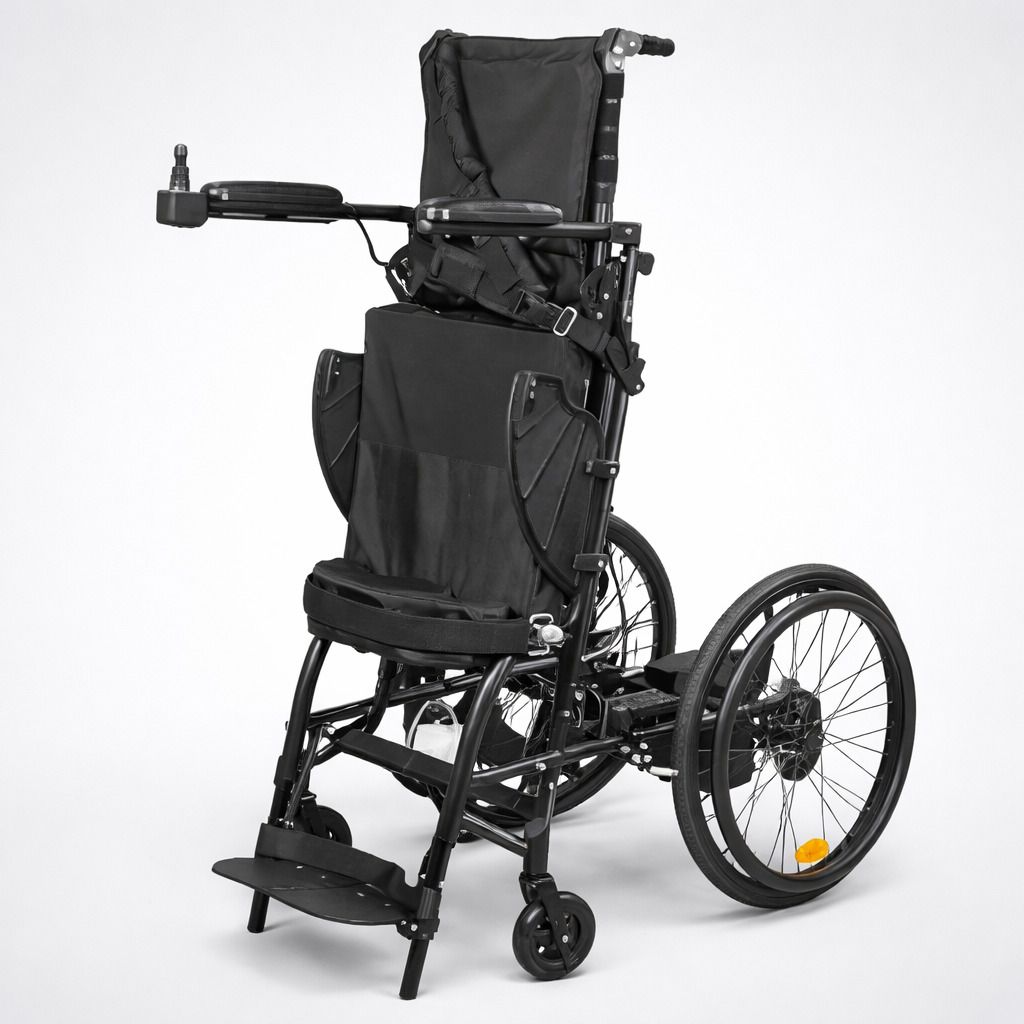
Wheelchair
This wheelchair enables standing, therapy, mobility, and greater independence.
See More Details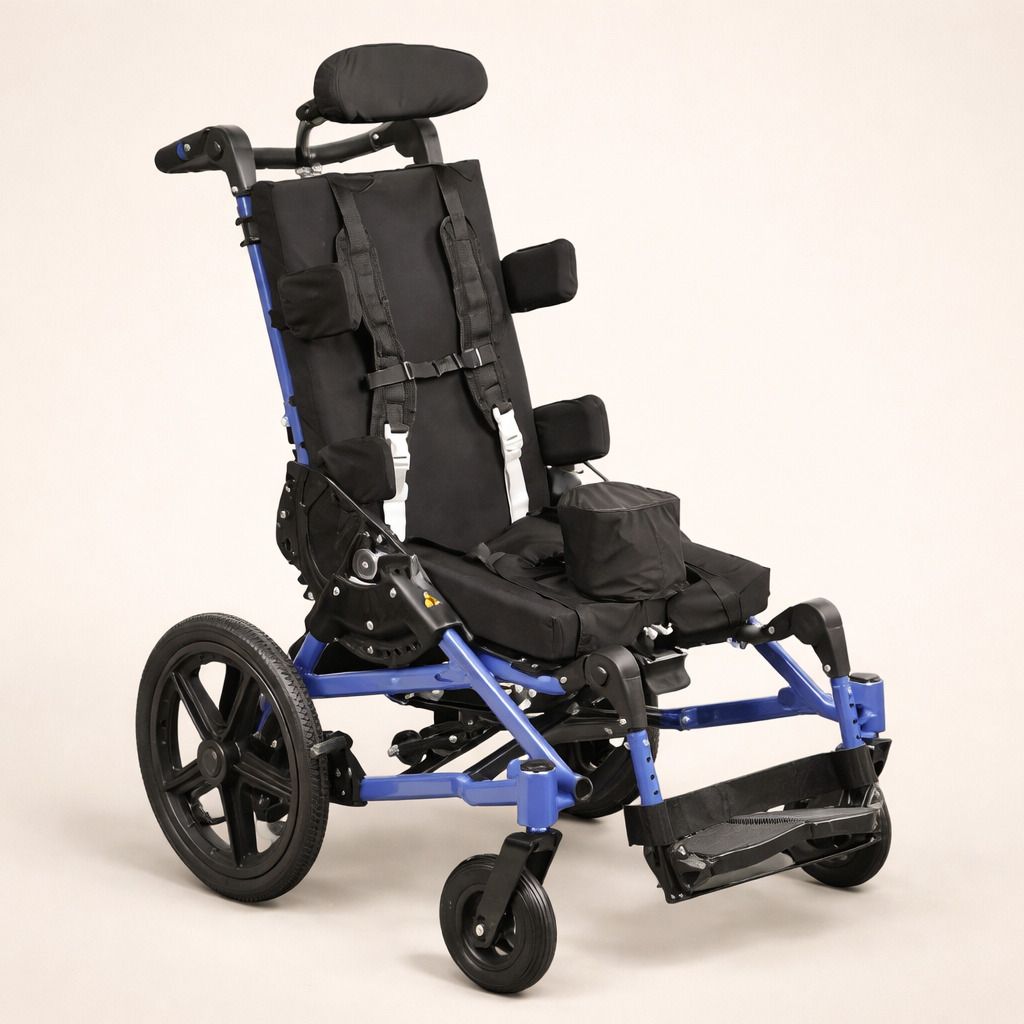
Wheelchair
The ultimate wheelchair for toddlers and kids to support a range of mobility issues
See More DetailsThings to Consider for a Wheelchair
User age, size, and weight
Level of mobility and strength
Postural support requirements
Indoor and outdoor use
Adjustability for growth
Transportability and storage
Caregiver requirements and handling
Frequently Asked Questions
The appropriate wheelchair depends on the child's mobility, muscle strength, posture, and individual needs. Manual wheelchairs may be suitable for children with some upper-body strength, while powered wheelchairs can provide greater independence when self-propulsion becomes difficult. A healthcare professional or seating specialist can help determine the most suitable option.
Consider the child's size, posture, mobility level, seating support, comfort, ability to control the wheelchair, and daily activities. The wheelchair should provide proper positioning and allow room for growth where appropriate. A qualified seating or rehabilitation professional can help with assessment and fitting.
Yes. Wheelchairs can be configured with features such as supportive seating, cushions, lateral supports, headrests, foot supports, and adjustable backrests. These features can help provide appropriate positioning and comfort based on the child's individual needs.
Manual wheelchairs are propelled by the user or a caregiver, while powered wheelchairs use a motor and battery. Powered wheelchairs may be helpful when muscle weakness makes manual propulsion difficult and can provide greater independence for some children.
Wheelchair fit should be reviewed regularly, especially as a child grows or their mobility and posture change. A healthcare or seating professional can determine when adjustments or a new wheelchair are needed.